
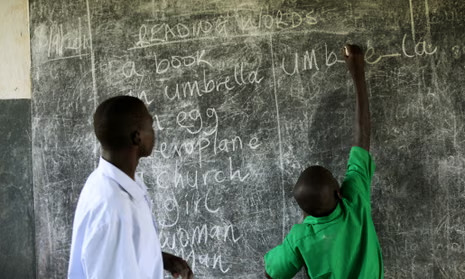
The Forum for Democratic Change (FDC) has proposed restructuring Uganda’s education calendar into a two-term system, saying the current arrangement places heavy financial pressure on parents and limits children’s interaction with their families.
Speaking during a media briefing at the party headquarters in Najjanankumbi on Thursday, FDC president Patrick Oboi Amuriat said the existing school calendar, characterized by short school terms and brief holidays, was negatively affecting both learners and parents.
The remarks come days after schools across Uganda reopened for the second term, with most primary and secondary institutions resuming classes between May 18 and May 25.
Amuriat said the opposition party had received complaints from parents and guardians struggling to raise tuition fees within short intervals because of the current academic structure.
“Parents are constantly under pressure to raise school fees within very short windows of time while students do not have enough holiday time to spend with parents and guardians at home,” Amuriat said.
He argued that learners now spend most of the year in boarding schools and only return home briefly before reporting back for another term.
“In short, save for third term holidays, they live at school and only come home to visit for a week or two and go back,” he added.
Amuriat also criticized the growing practice by some schools of retaining candidate classes during holidays for coaching sessions, saying the arrangement deprives children of opportunities for informal learning within families and communities.
According to the FDC, the current education system is producing examination-oriented learners who are disconnected from society and practical life experiences.
“The current education system is producing examination candidates, young people who have spent years in classrooms but who are disconnected from family, from community and from reality,” Amuriat said.
The party now wants government to adopt a two-term academic calendar under which learners would spend at least four months in school followed by two months at home.
Amuriat said the proposal would reduce the frequency of school fees demands and ease the financial burden on parents.
“It will create time between children and their families so the children get the informal life skills that no classroom can provide,” he said.
He added that longer holidays would allow children to rest adequately and develop into what he described as “well-rounded human beings rather than examination machines.”
The opposition party also raised concern over the rising cost of education in Uganda, arguing that many schools have become unaffordable for ordinary citizens despite education being recognized as a fundamental human right.
Citing the Universal Declaration of Human Rights, Amuriat said governments have a responsibility to ensure education remains accessible and affordable.
“Most schools these days are very costly making it difficult for ordinary Ugandans to afford them,” he said.
Beyond education, the FDC leadership also convened a National Executive Committee meeting to adopt a one-year strategic plan following the general elections.
The committee is expected to fill several vacant leadership positions left after senior party members defected to rival political organizations, including the ruling National Resistance Movement, the National Unity Platform and the People's Front for Freedom.
Among the positions to be filled are deputy president, deputy secretary general and chairperson for Northern Uganda.
The party said the appointments are intended to strengthen its internal structures ahead of the next political phase.
“One Uganda One People,” Amuriat concluded.
